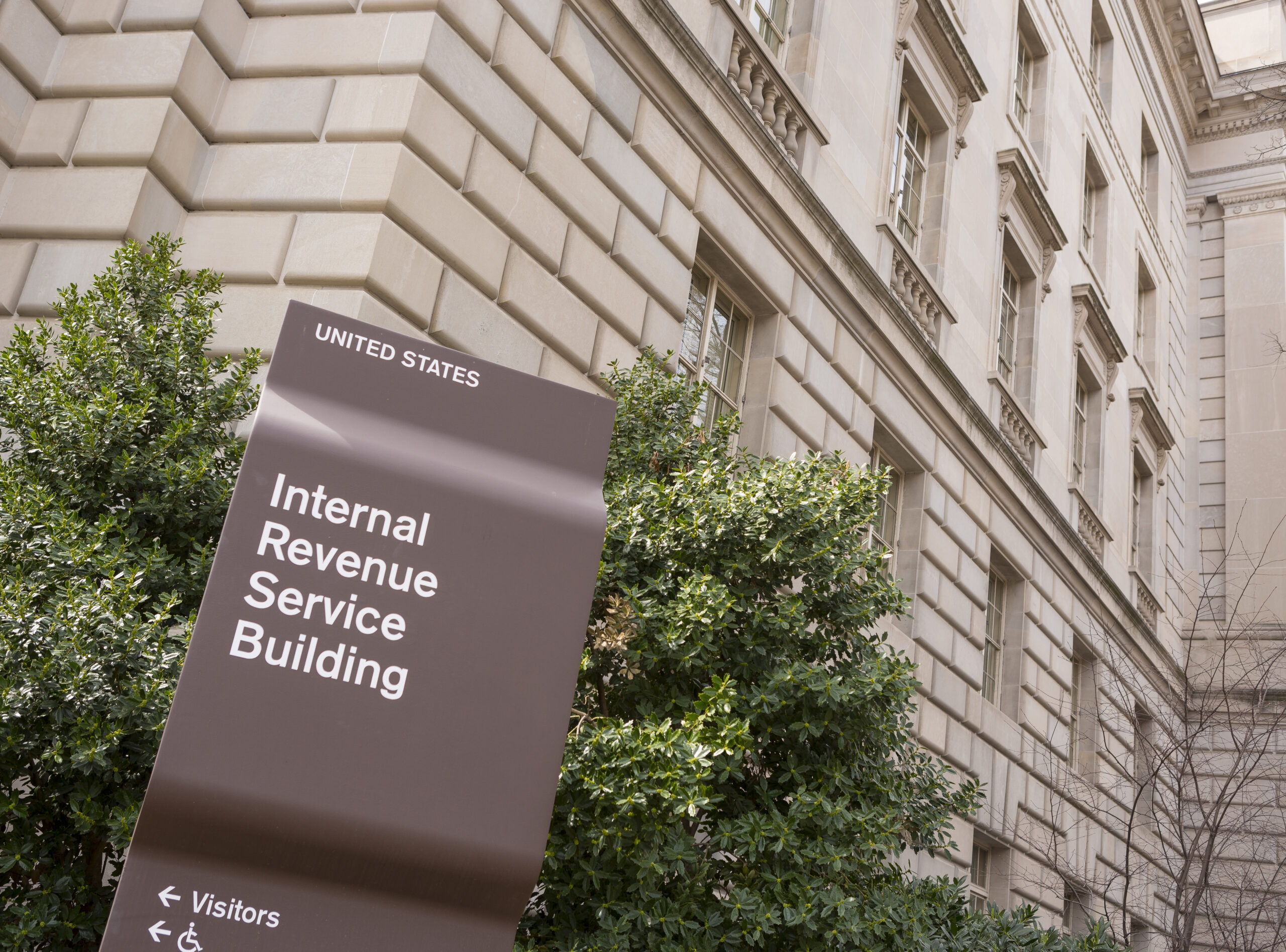
Understanding IRS CP501 Notices
The IRS CP501 notice is a communication sent to taxpayers indicating that the IRS believes they owe taxes. This notice serves as a reminder for individuals to review their tax obligations and take necessary actions. Understanding the specifics of a CP501 notice is crucial for taxpayers to avoid further complications or penalties.
Typically, the CP501 notice outlines the amount owed, the tax year in question, and provides instructions on how to respond. Ignoring this notice can lead to escalated actions by the IRS, including additional penalties or even legal proceedings. Therefore, it is essential to address the notice promptly and seek expert advice if needed.
Common Mistakes When Responding to IRS Notices
Responding to an IRS notice can be daunting, and many taxpayers make common mistakes that can exacerbate their situation. One frequent error is failing to respond within the specified timeframe, which can lead to automatic penalties and interest on the owed amount.
Another mistake is not providing adequate documentation to support their case. Taxpayers should ensure they include all necessary information, such as payment records or correspondence with the IRS, to clarify their position. Consulting with a tax professional can help mitigate these errors and ensure a more favorable outcome.
Steps to Take After Receiving a CP501 Notice
Upon receiving a CP501 notice, taxpayers should take immediate action to address the situation. The first step is to carefully review the notice to understand the amount owed and the reasons behind it. This understanding will guide the taxpayer in determining the best course of action, whether it be disputing the claim or arranging for payment.
Following this, taxpayers should gather any relevant documentation that supports their case, such as prior tax returns, payment confirmations, or correspondence with the IRS. Engaging with a tax relief professional like Rappaport Tax Relief can provide invaluable guidance during this process, ensuring that taxpayers navigate their options effectively.
When to Seek Professional Help for IRS Notices
Knowing when to seek professional help can significantly impact the resolution of tax-related issues. If a taxpayer feels overwhelmed or uncertain about how to respond to a CP501 notice, it is advisable to consult with a tax relief expert. Professionals can offer tailored advice and representation, which can be crucial in complex situations.
Additionally, if a taxpayer has received multiple notices or is facing an audit, professional assistance becomes even more critical. Tax experts can help strategize the best approach to resolve the matter while protecting the taxpayer's rights throughout the process. Rappaport Tax Relief specializes in these scenarios, providing clients with the expertise needed to navigate challenging tax issues.
Understanding IRS CP501 Notices
The IRS CP501 notice is a communication sent to taxpayers indicating that the IRS believes they owe taxes. This notice serves as a reminder for individuals to review their tax obligations and take necessary actions. Understanding the specifics of a CP501 notice is crucial for taxpayers to avoid further complications or penalties.
Typically, the CP501 notice outlines the amount owed, the tax year in question, and provides instructions on how to respond. Ignoring this notice can lead to escalated actions by the IRS, including additional penalties or even legal proceedings. Therefore, it is essential to address the notice promptly and seek expert advice if needed.
Common Mistakes When Responding to IRS Notices
Responding to an IRS notice can be daunting, and many taxpayers make common mistakes that can exacerbate their situation. One frequent error is failing to respond within the specified timeframe, which can lead to automatic penalties and interest on the owed amount.
Another mistake is not providing adequate documentation to support their case. Taxpayers should ensure they include all necessary information, such as payment records or correspondence with the IRS, to clarify their position. Consulting with a tax professional can help mitigate these errors and ensure a more favorable outcome.
Steps to Take After Receiving a CP501 Notice
Upon receiving a CP501 notice, taxpayers should take immediate action to address the situation. The first step is to carefully review the notice to understand the amount owed and the reasons behind it. This understanding will guide the taxpayer in determining the best course of action, whether it be disputing the claim or arranging for payment.
Following this, taxpayers should gather any relevant documentation that supports their case, such as prior tax returns, payment confirmations, or correspondence with the IRS. Engaging with a tax relief professional like Rappaport Tax Relief can provide invaluable guidance during this process, ensuring that taxpayers navigate their options effectively.
When to Seek Professional Help for IRS Notices
Knowing when to seek professional help can significantly impact the resolution of tax-related issues. If a taxpayer feels overwhelmed or uncertain about how to respond to a CP501 notice, it is advisable to consult with a tax relief expert. Professionals can offer tailored advice and representation, which can be crucial in complex situations.
Additionally, if a taxpayer has received multiple notices or is facing an audit, professional assistance becomes even more critical. Tax experts can help strategize the best approach to resolve the matter while protecting the taxpayer's rights throughout the process. Rappaport Tax Relief specializes in these scenarios, providing clients with the expertise needed to navigate challenging tax issues.