

How Far Back Can the IRS Go for Unpaid Taxes in Connecticut?
Connecticut taxpayers dealing with old tax problems often assume that time alone solves the issue. Many people believe that after a certain number of years, unpaid taxes disappear. In reality, IRS time limits are complex, and misunderstanding them can lead to costly mistakes.
This guide explains how far back the IRS can assess and collect unpaid taxes, the difference between assessment and collection timelines, what events extend those timelines, and why Connecticut taxpayers should rely on verified data rather than assumptions.
Assessment Versus Collection: Two Different Clocks
The IRS operates under two separate statutes of limitations. One governs how long the IRS has to assess tax. The other governs how long it has to collect after assessment.
Assessment is the formal recording of tax liability. Collection is the enforcement of payment through liens, levies, and payment agreements. Confusing these two timelines often leads taxpayers to believe debts are expired when they are not.
How Far Back the IRS Can Assess Tax
In most cases, the IRS has three years from the date a return is filed to assess additional tax. However, several exceptions frequently apply.
If no return was filed, there is no statute of limitations on assessment. The IRS can assess tax for that year at any time. This is particularly relevant for Connecticut taxpayers with gaps in filing history.
If income was understated by more than 25 percent, the IRS has six years to assess. If fraud is involved, there is no time limit.
How Long the IRS Has to Collect After Assessment
Once tax is assessed, the IRS generally has ten years to collect the debt. This is known as the Collection Statute Expiration Date, or CSED.
The ten-year clock starts at assessment, not when the return was due. For older tax years, this distinction often surprises taxpayers.
Events That Extend the Collection Period
The collection clock does not always run continuously. Certain actions pause or extend it.
Filing an offer in compromise pauses the clock while the offer is pending. Filing bankruptcy suspends collection during the case and for additional time afterward. Requesting a Collection Due Process hearing also pauses the clock.
Because of these pauses, many Connecticut taxpayers find their tax debt remains collectible far longer than expected.
Why Old Tax Debt Rarely Expires Quietly
Although tax debt can expire under statute, the IRS often enforces long before that happens. Wage garnishment, bank levies, and liens frequently occur years before expiration.
Waiting without a plan usually leads to enforcement rather than relief.
How to Determine Whether Your Tax Debt Is Still Collectible
The only reliable way to determine collectibility is to review IRS account transcripts and identify assessment dates and tolling events. Guessing based on tax year alone is risky.
Rappaport Tax Relief helps Connecticut taxpayers analyze transcripts, confirm expiration dates, and decide whether strategic resolution or statute-based planning makes sense.
Timeline Overview for Connecticut Taxpayers
| Stage | Typical Timeframe | Key Risk |
|---|---|---|
| Assessment | Up to 3 or 6 years, unlimited if unfiled | Unexpected assessments |
| Collection period | 10 years from assessment | Enforcement before expiration |
| Tolling events | Varies | Extended collection window |
This overview shows why timing matters and why professional review is valuable.
Bottom Line for Connecticut Taxpayers
The IRS can go back indefinitely to assess unfiled or fraudulent tax years and generally has ten years from assessment to collect. Extensions and pauses frequently lengthen that timeline.
If you have old tax debt in Connecticut, understanding exactly how far back the IRS can go is the foundation for choosing the right resolution strategy. Rappaport Tax Relief offers complimentary consultations to review IRS timelines and explain realistic options under federal law.

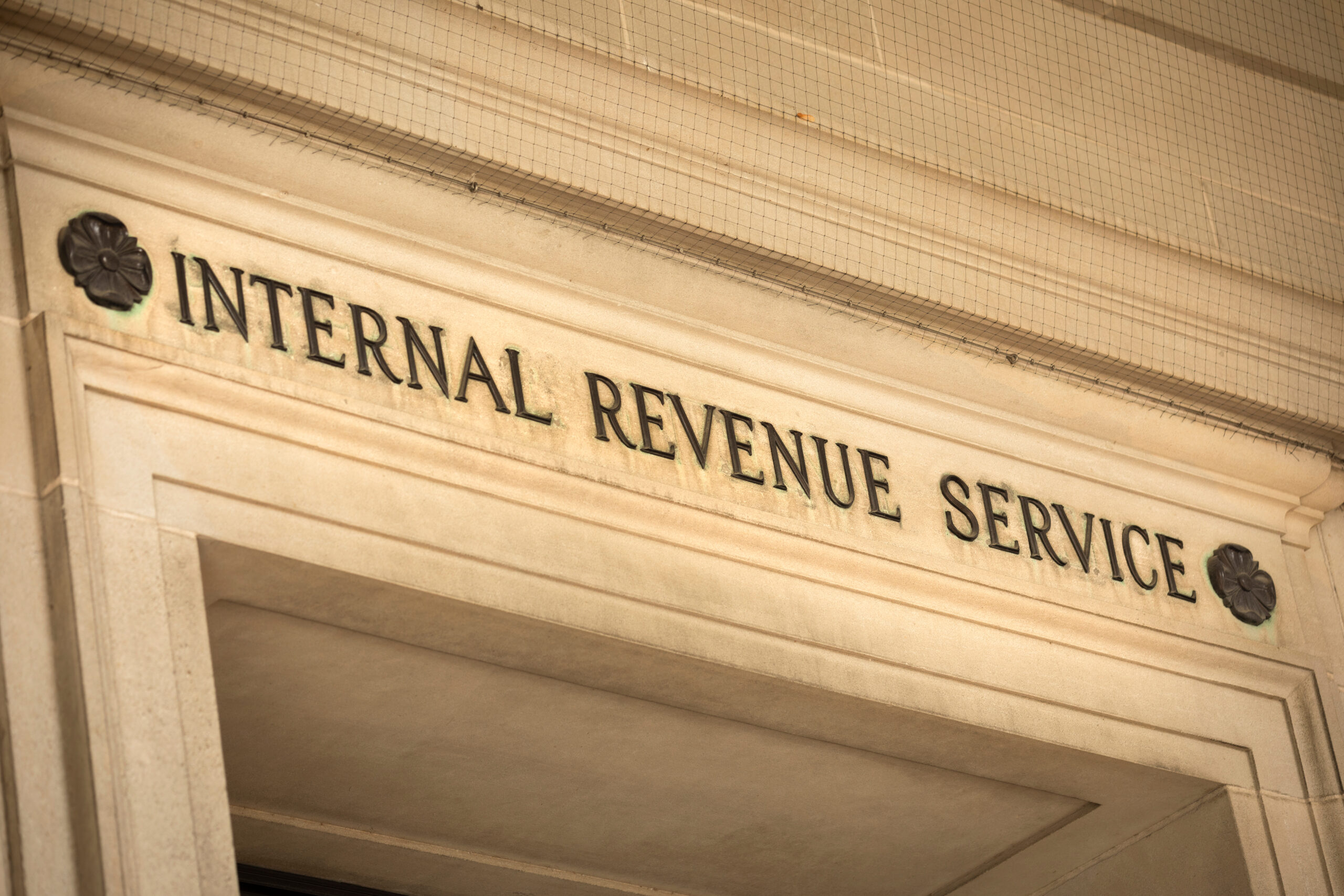
Why IRS Problems Escalate Quietly — Until They Don’t
Most IRS problems don’t start with panic.
They start with something far more dangerous: calm.
A letter arrives. It looks official, but not urgent. The balance due is uncomfortable, but not catastrophic. Life keeps moving. Weeks pass. Then months. More letters arrive, each one slightly firmer than the last.
Nothing dramatic happens — until suddenly, something does.
A bank account is frozen. A paycheck is smaller. A lien appears during a routine credit check. At that moment, the IRS problem no longer feels administrative. It feels personal.
What surprises most taxpayers isn’t that the IRS escalates. It’s how quietly that escalation happens.
The Early Phase: When IRS Issues Feel Manageable
IRS issues almost always begin in a low-pressure phase. The notices are informational. The tone is neutral. The assumption is that the issue will be resolved voluntarily.
This phase creates a false sense of security.
Because there’s no immediate consequence, people assume they have time. Some plan to call later. Others expect to pay when finances improve. Many simply don’t understand what the notice means and set it aside.
This is the most dangerous phase of IRS escalation — because it feels harmless.
Why the IRS Appears Patient at First
The IRS is required to follow a process. Notices must be sent. Deadlines must be provided. Opportunities to respond must be given.
This makes the agency appear patient.
Behind the scenes, however, the account is moving forward. Interest and penalties accrue daily. Missed responses are logged. Risk profiles are updated.
Silence doesn’t pause the system. It advances it.
How Escalation Happens Without Obvious Warning
Escalation doesn’t begin with enforcement. It begins with unanswered communication.
Each notice slightly changes in tone. Deadlines become more explicit. Consequences are referenced more directly. The format looks the same, which is why many people don’t realize how serious things have become.
By the time enforcement begins, the IRS believes it has already given ample opportunity to resolve the issue voluntarily.
The Psychological Trap of Delay
Tax problems trigger fear, embarrassment, and uncertainty. Avoidance feels easier than engagement.
People delay because they don’t want to say the wrong thing, don’t have the money yet, or don’t know what options exist. Unfortunately, delay almost always reduces options rather than preserving them.
From the IRS’s perspective, silence signals noncompliance.
What Pushes a Case Into Active Collections
Some cases escalate simply due to time. Others escalate faster because of specific triggers.
Common escalation triggers include:
• Ignoring multiple IRS notices
• Filing returns without paying balances owed
• Having unfiled returns on record
• Defaulting on payment agreements
• Large income discrepancies
Once these patterns appear, the IRS prepares for enforcement.
When Escalation Becomes Disruptive
For most people, escalation becomes real when daily life is affected.
Wage garnishments reduce take-home pay. Bank levies freeze access to funds. Tax liens complicate loans, refinancing, and property sales.
At this stage, options still exist — but they are narrower, more technical, and time-sensitive.
What’s Happening Inside the IRS Before Enforcement
While nothing appears to be happening externally, the IRS is categorizing the case internally. Automated systems flag accounts. Revenue officers may become involved.
By the time enforcement occurs, the IRS believes the matter is overdue.
Why Early Action Preserves Control
Before enforcement begins, taxpayers still have leverage.
Payment options are more flexible. Penalty relief may be available. Negotiations are calmer. Mistakes are less costly.
Once enforcement begins, the focus shifts from prevention to damage control.
How IRS Problems Affect More Than Money
IRS escalation affects far more than finances.
Stress increases. Sleep suffers. Family decisions get delayed. Business opportunities feel risky. The issue becomes a constant background worry.
What began as a paper problem becomes a life problem.
Why Waiting Rarely Improves the Outcome
Many people hope time will help. In reality, time almost always benefits the IRS.
Balances grow. Penalties compound. Enforcement authority expands.
Waiting may feel easier emotionally, but it rarely leads to a better resolution.
How Rappaport Tax Relief Helps Stop Escalation
At Rappaport Tax Relief, clients across Connecticut come to us when IRS issues feel confusing, overwhelming, or already out of control.
Our focus is on identifying where a case sits in the IRS process, what actions are already underway, and how to stop further escalation before enforcement causes unnecessary damage.
Early intervention preserves options. Strategic action protects assets, income, and peace of mind.
Take Action Before the IRS Forces the Issue
If you’ve received IRS notices, have unfiled returns, or aren’t sure how serious your situation has become, waiting is rarely the safest choice.
Call Rappaport Tax Relief today to speak with a tax professional who can help stop IRS problems from escalating and guide you toward resolution.
The earlier you act, the more control you keep.

Received an IRS CP504 in Connecticut? Why This Notice Is the IRS’s Last Serious Warning
For many Connecticut taxpayers, an IRS CP504 notice doesn’t feel urgent at first. It looks similar to other IRS letters, uses vague language, and often arrives without any immediate consequences. That false calm is exactly why CP504 causes so much damage.
By the time CP504 is issued, the IRS has already made a key determination: voluntary compliance has failed. From that point forward, the agency is preparing to collect — not negotiate casually.
This article explains what CP504 actually means, why Connecticut taxpayers often underestimate it, and what must happen next to avoid enforced collection.
What Is an IRS CP504 Notice?
CP504 is commonly labeled “Notice of Intent to Levy — State Tax Refund.” While that title suggests the IRS is only targeting refunds, the reality is broader.
CP504 tells you:
-
The IRS has assessed tax debt
-
Prior notices were sent and ignored or unresolved
-
Your account is now eligible for enforced collection actions
This is one of the final steps before the IRS begins levies.
Why CP504 Changes the IRS’s Posture
Earlier IRS notices are billing attempts. CP504 marks a shift from requests to warnings.
Once CP504 expires, the IRS can:
-
Garnish wages
-
Levy bank accounts
-
Offset refunds
-
Escalate enforcement without further correspondence
Many Connecticut taxpayers assume the IRS must send another “final” notice. Often, CP504 is that notice.
How Much Time Do You Really Have?
CP504 typically provides 30 days to respond.
Those 30 days are not a suggestion. They are a legal threshold. Once the deadline passes:
-
Appeal rights may be lost
-
Collections may begin immediately
-
Negotiation leverage decreases sharply
Waiting for a “better time” usually results in fewer options.
Can the IRS Take Action Without Going to Court?
Yes. Unlike private creditors, the IRS does not need a court judgment to levy wages or bank accounts. Federal tax law grants that authority once required notice has been given — which CP504 satisfies.
Why CP504 Is Often Ignored in Connecticut
We see the same patterns repeatedly:
-
High earners assume they’ll “deal with it later”
-
Business owners prioritize cash flow over compliance
-
Taxpayers wait for an accountant who isn’t handling collections
-
Fear of contacting the IRS leads to inaction
Unfortunately, none of these delay enforcement.
What Happens After CP504 Is Ignored?
Once CP504 expires, the IRS may move quickly:
-
Wage garnishment orders sent to employers
-
Bank accounts frozen without warning
-
Liens filed against real property
-
Refunds intercepted automatically
At that point, stopping enforcement becomes far more difficult.
Resolution Options That May Still Exist
Even at the CP504 stage, options may include:
-
Installment agreements
-
Currently Not Collectible status
-
Penalty abatement
-
Offer in Compromise
-
Appeals or collection holds
The correct option depends on income, assets, filings, and timing.
The Real Cost of Waiting
Every day CP504 goes unanswered:
-
Interest compounds
-
Penalties increase
-
Stress escalates
-
The IRS gains leverage
What could have been a controlled resolution becomes reactive damage control.
When to Get Professional Help
If you’ve received CP504 and:
-
Owe more than $10,000
-
Have unfiled returns
-
Own a business or rental property
-
Have received multiple IRS notices
You should not wait.
Rappaport Tax Relief helps Connecticut taxpayers respond strategically to IRS escalation notices and stop enforcement before it begins.