

The Most Common Tax Debt Mistakes. And Why Smart People Keep Making Them
The letters have been sitting on the counter for weeks. You know what they say, roughly, but opening them feels like pulling a pin on something you're not ready to handle. That gap. Between knowing something is wrong and doing something about it. Is where most tax debt situations go from manageable…


How to Tell If Your Tax Relief Advice Is Actually Helping You. Or Making Things Worse
The feeling that you're finally doing something about your IRS problem can be just as dangerous as doing nothing. When you're overwhelmed and desperate for a way out, the wrong guidance doesn't just fail to help. It actively narrows the options that remain. Bad IRS assistance is everywhere. And it…

Tax Relief in 2026: What's Actually Working Now (And What Isn't)
The IRS collected more than $98 billion in enforcement revenue in a recent fiscal year, and that number keeps climbing. If you're carrying tax debt right now, you're not dealing with a slow-moving bureaucracy. You're dealing with a machine that doesn't pause, doesn't negotiate on its own, and…
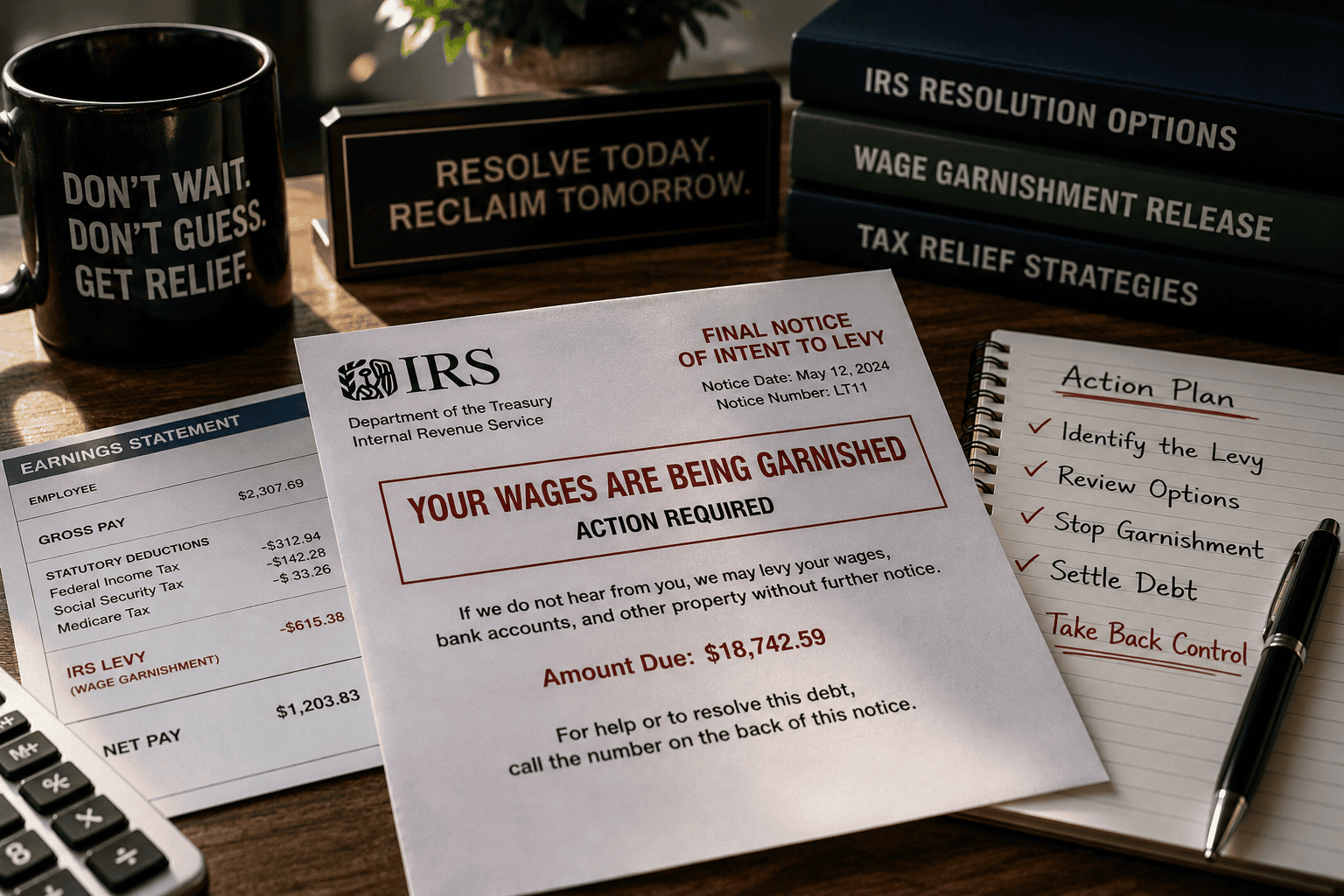
When the IRS Starts Taking Your Paycheck: How Wage Garnishment Release Actually Works
The moment your employer tells you the IRS is taking a cut of your paycheck, something shifts. It's not just the money. It's the exposure, the helplessness, and the creeping fear that this is only the beginning. A wage garnishment isn't a warning. It's the IRS already inside your finances, and it…

How Rappaport Tax Relief Actually Works: The End-to-End Process Most Providers Never Explain
The IRS does not get emotional about collections. It just keeps moving — sending notices, escalating to garnishments, freezing accounts — on a schedule that doesn't pause because you're overwhelmed or don't know what to do next. If you've been living with that pressure for months, you already know…
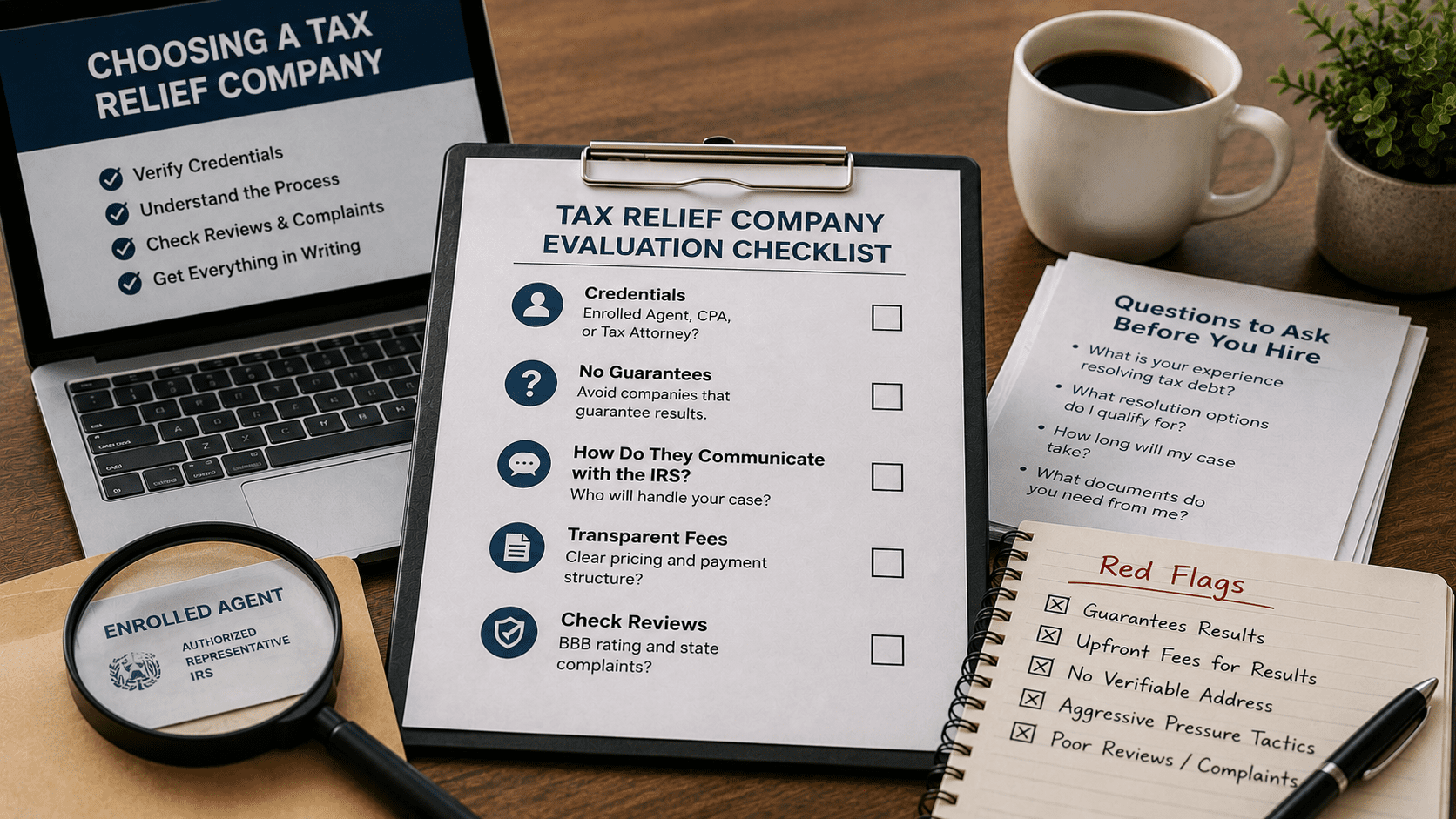
How to Tell If a Tax Relief Company Is Actually Going to Help You (Or Just Take Your Money)
The IRS does not get emotional about collections. It just keeps moving — letters, levies, garnishments, one after another — until someone stops it. And when you're already overwhelmed, the pressure to hire someone fast makes you exactly the kind of person predatory tax relief companies are built to…

When to Act and When to Wait on Tax Relief: The Timing Signals That Actually Matter
The IRS does not get emotional about collections. It just keeps moving — issuing notices, escalating enforcement, and accruing penalties whether you open the mail or not. If you have tax debt right now, the question is not whether to deal with it. The question is whether the moment you're in calls…
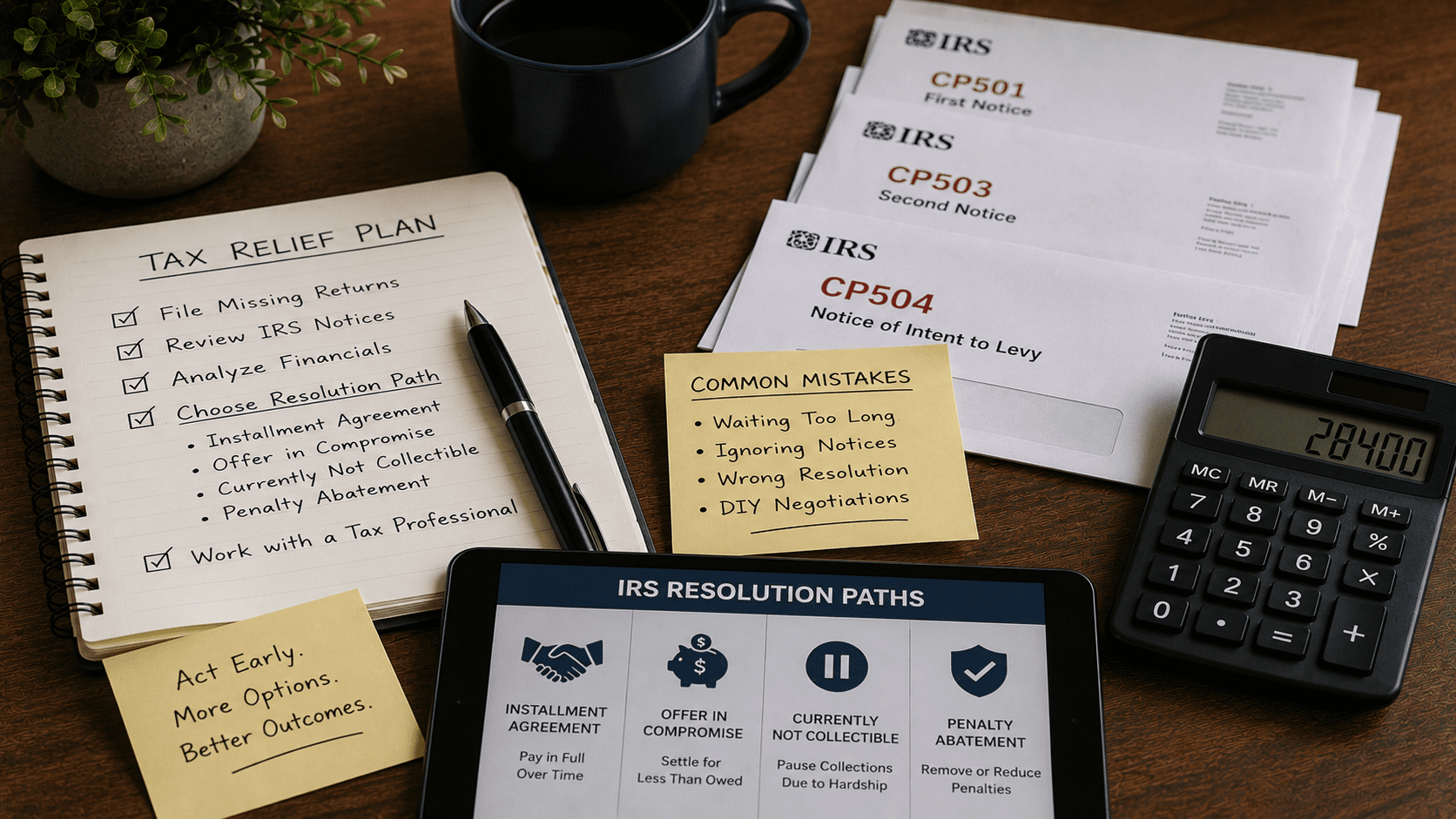
The Most Common Tax Relief Mistakes People Make — And Why They Keep Making Them
The IRS does not get emotional about collections. It just keeps moving — adding penalties, compounding interest, escalating to levies and garnishments — while most people are still deciding whether to open the envelope. That gap between the IRS's momentum and a taxpayer's paralysis is where most…
How Westport Business Owners Resolve IRS Tax Debt After Closing or Dissolving a Company
Dealing with IRS tax debt is especially difficult for Westport business owners who have recently closed or dissolved a company. Understanding the tax consequences of dissolution is essential to maintain compliance and limit financial exposure. This article outlines the tax effects of dissolving a…

IRS Offer in Compromise vs. Installment Agreement: Which Is Right for Westport Taxpayers?
Tax debt can be stressful for Westport taxpayers, particularly given the complexity of IRS relief programs. Understanding the differences between an IRS Offer in Compromise (OIC) and an Installment Agreement helps you select the most appropriate path. This article explains how each program…